
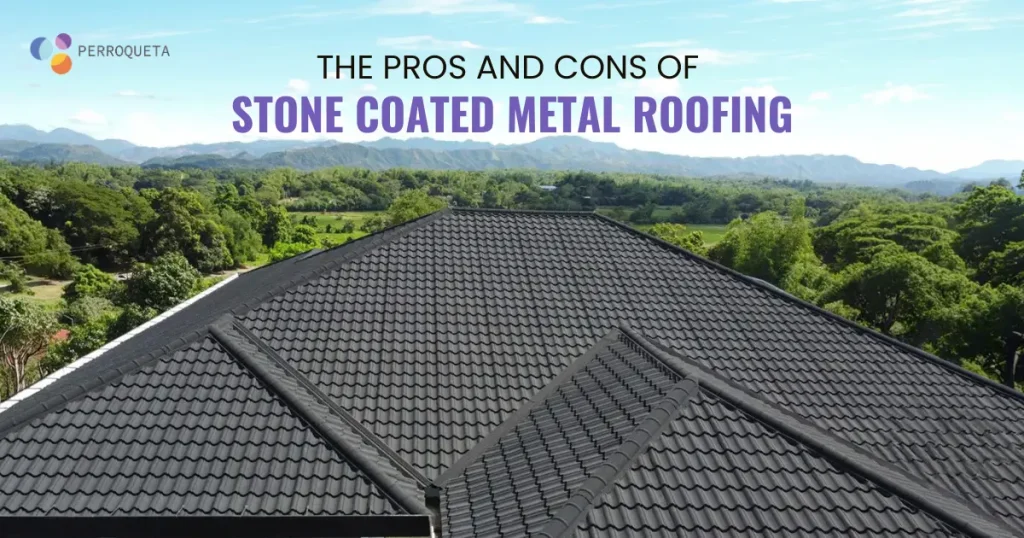
Choosing the right roofing material is an important decision for any homeowner or building owner. A roof is not only meant to protect a structure from weather conditions but also to improve its appearance, energy efficiency, and long-term value. Among modern roofing options, stone-coated steel roofing has gained attention for its strength, design flexibility, and durability.
This roofing system combines steel panels with a stone granule coating, creating a surface that looks similar to traditional tiles or shingles but performs like metal. It is used in residential homes, commercial buildings, and industrial structures across many climates.
However, like any building material, stone-coated steel roofing has both benefits and limitations. Understanding these clearly helps in making an informed choice.
This blog explains the major advantages and disadvantages in simple terms, focusing on performance, maintenance, and practical considerations.
Advantages of Stone-Coated Steel Roof
Stone-coated steel roofing offers several technical and practical benefits. These advantages make it suitable for areas that experience heat, rain, wind, and long-term exposure to the elements.
Longevity
When it comes to lifespan, a stone-coated metal roof is best among modern roofing materials. Unlike conventional asphalt shingles that may need replacement within 15 to 25 years, stone-coated steel roofing can last 40 to 70 years with proper installation and basic care.
The steel core provides structural strength, while the stone coating protects the surface from ultraviolet rays, moisture, and temperature changes. This layered protection slows down ageing and reduces surface wear over time. As a result, the roof maintains its appearance and performance for decades.
Another reason the stone-coated metal roof is best for longevity is its resistance to common problems such as rot, termites, and cracking. These issues often affect traditional roofing materials but do not impact steel-based systems.
This long service life makes stone-coated steel roofing a dependable option for homeowners who want a roof that will last for generations.
Durability
In terms of strength and weather resistance, the stone-coated metal roof is best suited for challenging environmental conditions. It is designed to withstand heavy rain, strong winds, and intense sunlight without losing its structural integrity.
The steel base gives the roof high impact resistance, while the stone coating adds an extra layer of protection against scratches, corrosion, and surface damage. Compared to clay or concrete tiles, which can break under pressure, stone-coated steel panels remain intact even during storms or hail.
Fire resistance is another important durability advantage. Since steel does not burn and the stone coating is non-combustible, stone-coated steel roofing provides a higher level of safety than many traditional roofing materials. This makes it a reliable choice for areas prone to high temperatures or fire risks.
Overall, the stone-coated metal roof is best for durability because it combines mechanical strength with long-term surface protection, ensuring consistent performance in different climates and weather conditions.
Low Maintenance
Compared to many other roofing systems, stone-coated steel roofing requires minimal maintenance. Traditional roofs may need regular inspections for broken tiles, mould growth, or water leaks. In contrast, steel roofs with stone coating are less likely to suffer from such issues.
The surface does not easily support moss or algae growth. The material does not absorb water, which helps prevent internal damage. Occasional cleaning and basic inspections are usually enough to keep the roof in good condition.
Low maintenance also means reduced long-term effort and fewer repair expenses. Property owners can focus on other aspects of building upkeep without worrying about constant roof problems. This makes stone-coated steel roofing suitable for both residential and commercial use.
Beautiful and Versatile
A major advantage of stone-coated steel roofing is its visual appeal. Many people assume that metal roofs look industrial or plain, but this is not the case with stone-coated designs. These roofs are available in styles that resemble clay tiles, wooden shakes, and traditional shingles.
This versatility allows the roof to match different architectural styles, from modern homes to classic buildings. Colours and textures can be chosen to blend with the surroundings and enhance the structure’s overall appearance.
Because of this aesthetic flexibility, stone-coated steel roofing is often used in urban homes, resorts, and institutional buildings. It provides the look of premium roofing materials without the same level of weight or fragility.
A roof that looks good and performs well adds value to a property and improves its long-term appeal.
Energy Efficiency
Energy efficiency is becoming an important factor in building design. Stone-coated steel roofing helps regulate indoor temperatures by reflecting sunlight and reducing heat absorption. The stone granules and special coatings work together to limit the amount of heat that enters the building.
In warm climates, this can reduce the need for air conditioning and help maintain a more comfortable indoor environment. Over time, this may lead to lower energy consumption and reduced electricity usage.
The material also allows for proper ventilation and insulation when installed with suitable roofing systems. This supports year-round comfort by keeping interiors cooler in summer and warmer in winter.
Energy-efficient roofing contributes not only to cost savings but also to environmental responsibility by lowering overall energy demand.
Disadvantages of Stone-Coated Steel Roofing
Despite its many advantages, stone-coated steel roofing also has certain drawbacks. These should be carefully considered before choosing this material.
Initial Investment Cost
One of the main disadvantages of stone-coated steel roofing is its higher initial cost compared to traditional roofing materials such as asphalt shingles or basic metal sheets. The manufacturing process involves steel panels, protective coatings, and stone granules, which increases production expenses.
Installation may also cost more because trained professionals are needed to ensure proper fitting and sealing. Special tools and techniques are often required for accurate installation.
While the long lifespan can balance out this cost over time, the upfront investment may not be suitable for all budgets. For short-term projects or temporary structures, the expense may not be justified.
It is important to consider both immediate costs and long-term value when evaluating this roofing option.
Noise
Noise can be a concern with metal-based roofing systems. During heavy rain or hail, sound may be more noticeable compared to traditional concrete or clay tiles. Stone-coated steel roofing reduces this problem to some extent because the stone layer absorbs part of the sound.
However, without proper insulation and underlayment, noise can still be heard inside the building. This is especially relevant in areas with frequent rainfall or storms.
Noise issues can be managed with proper installation methods and adequate insulation beneath the roofing panels. Still, it’s worth considering for people who prefer quieter indoor environments.
Conclusion
Stone-coated steel roofing is a modern roofing solution that combines strength, style, and long-term performance. Its key advantages include excellent longevity, high durability, low maintenance needs, attractive appearance, and improved energy efficiency. These features make it suitable for a wide range of buildings, from residential homes to commercial properties.
At the same time, it is important to recognise its limitations. The higher initial investment cost and potential noise concerns may influence decision-making, especially for budget-conscious projects. These disadvantages can often be managed through proper planning and installation, but should not be ignored.
Overall, stone-coated steel roofing stands out as a reliable, versatile material that balances aesthetics with technical performance. By understanding both its advantages and disadvantages, property owners can make informed choices based on their climate, budget, and long-term goals.
A roof is a long-term investment, and selecting the right material ensures safety, comfort, and durability for many years. Stone-coated steel roofing offers a strong option for those seeking a blend of modern engineering and traditional appearance.