
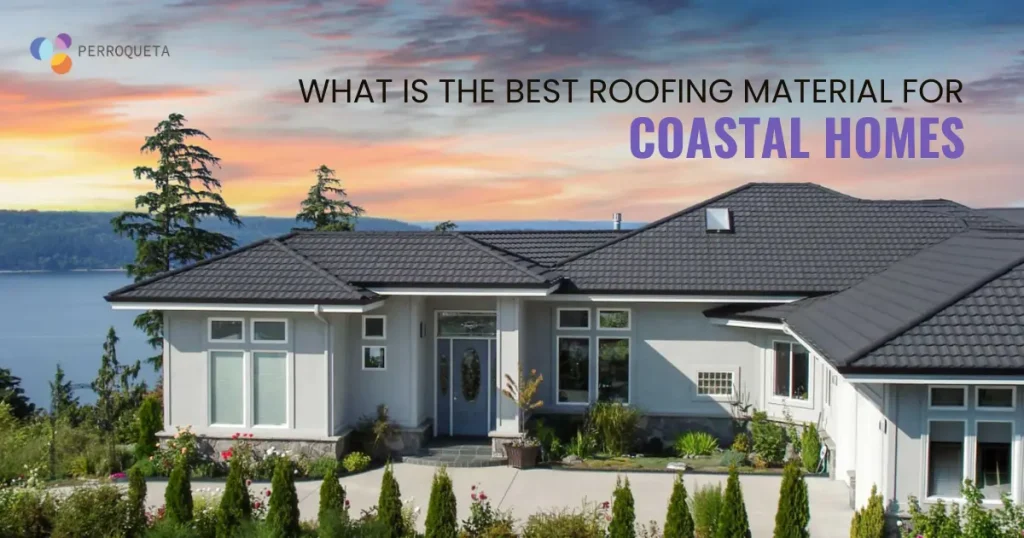
Choosing the right roofing material for coastal homes is different from choosing one for inland properties. Coastal areas face a unique mix of harsh weather conditions, including salt-laden air, high humidity, strong winds, and heavy rainfall. Over time, these elements can weaken ordinary roofing materials and shorten their lifespan.
Homeowners in coastal regions need roofing solutions that are durable, corrosion-resistant, and able to withstand extreme weather. This blog explores the environmental challenges of coastal living, why traditional roofing materials often fail, and why modern solutions like metal roofing and stone-coated tiles perform better in such demanding conditions.
Common Weather Challenges of Coastal Living
Coastal environments expose buildings to continuous stress. Understanding these challenges is the first step in selecting the most suitable roofing material for coastal homes.
Hurricanes
Hurricanes and cyclonic storms are among the biggest threats to coastal housing. They bring extremely strong winds and flying debris, which can loosen shingles and damage roof structures.
Roofs in coastal regions must be securely fastened and designed to resist uplift pressure. Materials that interlock or use concealed fastening systems perform better during storms. Lightweight yet strong roofing options also reduce the risk of structural damage when exposed to hurricane-force winds.
Heavy Rain
Coastal regions often receive intense rainfall over short periods. Poor drainage or weak roofing materials can lead to water seepage, mould growth, and internal damage. Materials that resist water absorption and prevent leaks help maintain indoor comfort and protect the building’s framework over time. A good roofing system must provide:
- Efficient water runoff
- Seamless installation
- Strong underlayment protection
High Winds
Even outside of hurricanes, coastal areas experience frequent high winds. These winds can slowly loosen roofing materials and increase wear and tear.
Traditional tiles and shingles may crack or lift when exposed to repeated wind pressure. Stronger roofing systems with mechanical fastening and wind-tested designs are far more reliable in such environments.
Hailstorms
While not as common as rain or wind, hailstorms can still affect coastal regions. Hail can dent metal, crack clay tiles, and weaken asphalt shingles.
Impact-resistant roofing materials reduce the risk of surface damage and prevent small cracks from turning into long-term leaks. Durability against impact is a critical feature when selecting roofing material for coastal homes.
Salty and Humid Environment
Salt in the air is one of the most damaging factors for roofs near the sea. Salt accelerates corrosion, especially in metal components like fasteners and flashing. High humidity also encourages the growth of algae and fungi.
Roofing materials must be resistant to rust and moisture. Protective coatings and non-porous surfaces help slow down deterioration caused by salt and humidity.
Temperature Extremes
Coastal regions can experience sharp temperature changes between day and night. These fluctuations cause roofing materials to expand and contract, which can lead to cracking over time.
Flexible yet strong materials perform better under thermal stress. They maintain their shape without losing structural integrity, ensuring long-term performance.
Why Traditional Roofing Materials Fail in Coastal Environments?
Many traditional roofing materials were designed for mild inland climates. When used in coastal settings, they face challenges they were not built to handle.
Asphalt shingles, for example, absorb moisture and degrade faster under high humidity. Salt air can weaken their protective layers, leading to curling and cracking. Clay and concrete tiles, although durable, can become brittle when exposed to repeated temperature changes and wind stress.
Wooden shingles and thatch roofs are particularly vulnerable. They absorb moisture easily and are prone to rot, mould, and insect infestation in humid conditions. Over time, maintenance costs increase, and the roof requires frequent repairs or replacement.
Metal Roofing Stands Up to Coastal Weather
Metal roofing is one of the most reliable solutions for coastal housing. When properly coated, it resists corrosion and performs well in wind, rain, and heat.
One major advantage of metal roofing is its ability to shed water quickly. Its smooth surface prevents water pooling and reduces the chance of leaks. Interlocking metal panels also provide excellent wind resistance, making them suitable for cyclone-prone regions.
Modern metal roofs come with protective finishes that guard against rust caused by salty air. These coatings act as a barrier between the metal and environmental elements. In addition, metal roofing reflects sunlight, helping to reduce indoor heat and improve energy efficiency.
Another benefit is durability. Metal roofs can last several decades with minimal maintenance. They do not crack, warp, or rot, making them a dependable roofing material for coastal homes where conditions are unpredictable.
From a sustainability perspective, metal roofing is recyclable and environmentally friendly. It supports long-term building practices without compromising strength or performance.
How Stone-Coated Tiles Stand Strong Against Harsh Weather Conditions?
Stone-coated tiles combine the strength of metal with the aesthetic appeal of traditional roofing. They are designed to handle harsh weather without sacrificing visual appeal.
These tiles feature a metal base coated with stone granules, which provide additional protection against impact and UV radiation. The layered structure improves resistance to wind and rain while reducing noise from heavy downpours.
Stone-coated tiles are also highly corrosion-resistant when treated with advanced coatings. It makes them suitable for coastal climates where salt exposure is constant. Because of their strength and weather resistance, stone-coated tiles are increasingly considered a practical roofing material for coastal homes.
Conclusion
Living near the coast offers beautiful views and fresh air, but it also brings unique challenges for homeowners. The choice of roofing material for coastal homes must account for hurricanes, heavy rain, strong winds, salty air, and temperature changes.
Traditional roofing materials often struggle under these conditions due to corrosion, cracking, and moisture damage. Modern options such as metal roofing and stone-coated tiles provide better protection, longer life, and improved performance in harsh environments.
By understanding the weather challenges and selecting materials designed specifically for coastal conditions, homeowners can ensure their roofs remain strong, safe, and durable for many years. A well-chosen roof not only protects the structure but also reduces maintenance needs and enhances long-term comfort.
Ultimately, the best roofing solution for coastal homes is one that balances strength, weather resistance, and reliability. With informed decisions and the right materials, coastal living can remain both beautiful and secure.