
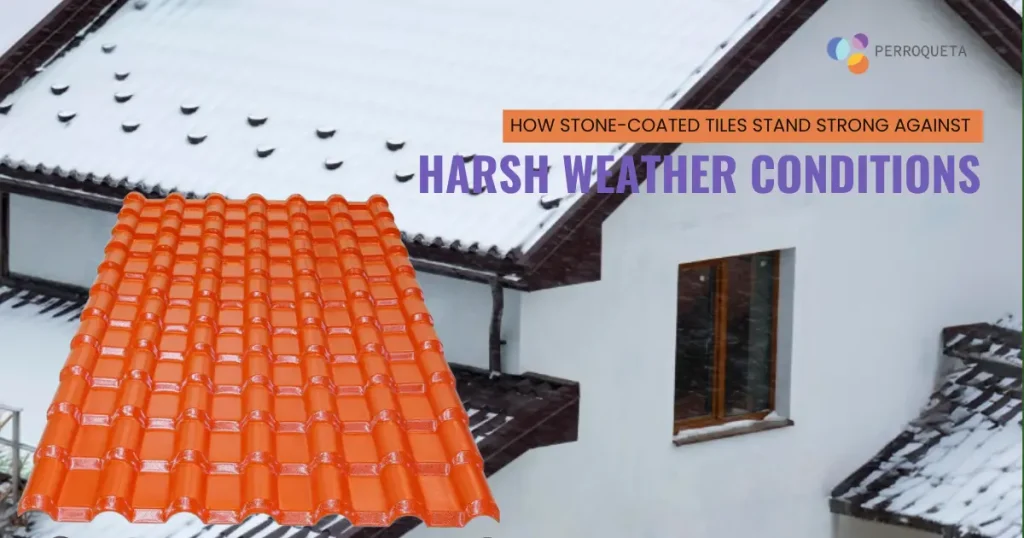
As climate patterns become more unpredictable in 2026, buildings across coastal, tropical, and mountainous regions face stronger winds, heavier rainfall, intense heat, and even sudden cold spells. Roofing materials must now perform better than ever before.
Among modern solutions, stone-coated tiles have gained attention for their ability to withstand harsh weather while maintaining long-term performance and appearance.
Stone-coated tiles combine the strength of metal with a protective layer of natural stone granules. This unique structure allows them to resist environmental stress far more effectively than many traditional roofing materials.
In this blog, we explore how stone-coated tiles stand strong against extreme weather conditions and why they are increasingly chosen for homes, hotels, and resorts.
How Stone-Coated Tiles Stand Strong Against Harsh Weather Conditions?
Stone-coated tiles are engineered to handle multiple weather threats at once. Unlike conventional clay or concrete tiles, they are lightweight, corrosion-resistant, and firmly fixed to the roof structure. Their layered design includes a steel or aluminium base, a protective coating, and stone granules bonded to the surface.
This combination improves durability, insulation, and impact resistance. As a result, stone-coated tiles are not just visually appealing but also practical for regions exposed to storms, heatwaves, and seasonal extremes.
The Power of Stone-Coated Tiles: Durability in Extreme Weather
Durability is the foundation of stone-coated roofing systems. These tiles are manufactured using high-grade metal cores that provide strength without adding excessive weight to the building. The stone granule coating protects the surface from abrasion and weather exposure.
In areas with heavy rainfall and sudden temperature changes, roofing materials often crack or warp. Stone-coated tiles are designed to expand and contract with temperature shifts, reducing the risk of structural damage. It makes them suitable for both hot and cold climates.
Their corrosion resistance is another key advantage. The multiple protective layers prevent rust formation, even in humid or coastal regions where salt in the air can degrade ordinary metal roofs.
Protection Against Heavy Rain and Hail
Heavy rain can expose weak points in roofing systems, leading to leaks and long-term moisture damage. Stone-coated tiles interlock tightly, creating a water-resistant barrier that prevents seepage. Their textured stone surface also helps slow down rainwater flow, reducing pressure on drainage systems.
Hailstorms pose a different challenge; many roofing materials crack or chip when struck by hailstones. Stone-coated tiles are tested for impact resistance and can absorb shock better than clay or asphalt shingles. The stone granules act as a protective cushion, while the metal base prevents penetration.
This level of protection makes stone-coated tiles a reliable option for regions that experience monsoon rains or frequent hail events.
Stone-Coated Tiles and Wind Resistance
Strong winds can lift or displace poorly installed roofing materials. Stone-coated tiles are usually fixed using secure fastening systems that anchor them firmly to the roof deck. Their lightweight nature also reduces the risk of collapse under wind pressure.
The aerodynamic shape of many stone-coated tile profiles allows wind to pass over the roof surface with minimal uplift. This design is particularly useful in cyclone-prone and coastal areas.
Increased Structural Integrity
Structural integrity is not just about strength but also about how roofing materials interact with the building frame. Stone-coated tiles distribute weight evenly across the roof, preventing stress concentration in one area. This reduces the risk of cracks in supporting beams or roof decks.
Because they are lighter than concrete or clay tiles, stone-coated tiles place less load on the structure. This is beneficial for older buildings and modern constructions that aim to reduce overall material weight without compromising safety.
The Sun’s Heat: UV Resistance and Thermal Protection
Sun exposure is one of the biggest threats to roofing materials. Prolonged ultraviolet radiation can fade colours, weaken surfaces, and cause materials to become brittle. Stone-coated tiles feature UV-resistant coatings that protect both the metal core and the stone granules.
Thermal protection is another important feature. The air gap created by the tile profile improves ventilation and reduces heat transfer into the building. It helps maintain indoor comfort, especially in regions with high summer temperatures.
By reflecting a portion of solar radiation and providing natural insulation, stone-coated tiles can help lower indoor temperature and reduce cooling system energy consumption.
Long-Term Performance in Snow and Ice
Although snow and ice are not common across all of India, many regions worldwide experience freezing conditions. Stone-coated tiles perform well in such environments due to their non-porous surface and strong bonding.
Snow slides off easily because the tiles do not absorb water. It reduces the risk of ice dams, which can cause leaks and structural damage. The metal base also prevents cracking during freeze-thaw cycles, a common problem with concrete and clay tiles.
Their ability to withstand both extreme heat and freezing temperatures highlights the versatility of stone-coated tiles across different climates.
Why Choose Stone-Coated Tiles for Your Hotel or Resort Roof?
- Exceptional Durability in All Climates: Built with a strong stone-coated surface on a metal core, these tiles resist cracking, warping, and degradation even under extreme weather conditions.
- Superior Weather Protection: Stone-coated tiles provide reliable protection against heavy rain, wind, UV rays, and temperature fluctuations, which are critical in coastal and monsoon-prone regions where hotels and resorts are often located.
- Aesthetic Appeal that Enhances Architectural Identity: With a range of colours, profiles, and finishes, stone-coated tiles complement luxury property designs, enhancing visual appeal and creating a memorable first impression for guests.
- Energy Efficiency for Comfort and Savings: They reflect solar radiation and offer thermal benefits, helping maintain comfortable indoor temperatures, which is instrumental in warm climates where air-conditioning costs are high.
- Low Maintenance Requirements: Minimal upkeep is needed compared with traditional materials. Their resistance to fading, moss, and algae growth further reduces the need for cleaning and repair work.
- Long-Term Cost Effectiveness: Despite a higher upfront cost than simple metal sheets or asphalt shingles, stone-coated tiles deliver a strong return on investment through longevity, weather resistance, and low maintenance.
- Enhanced Structural Integrity and Safety: The interlocking design and sturdy build help maintain roof stability under wind uplift and high-impact conditions, a valuable safety feature for large commercial buildings.
- Versatility Across Environmental Conditions: Suitable for tropical heat, monsoon rains, and even occasional snow or freezing cycles, a benefit for resorts located in diverse geographical regions.
- Improved Guest Experience Through Noise Reduction: The layered construction helps absorb sound from rain, hail, and wind, contributing to quieter interiors, which is important for peaceful guest stays.
- Sustainable and Long-Lasting Roofing Solution: Many stone-coated tiles are made from recyclable materials and designed to last several decades, reducing environmental impact and waste associated with frequent replacements.
Stone Coated Roofing Tiles
Stone-coated roofing tiles result from combining engineering with natural materials. The stone granules are bonded using specialised adhesives and sealed with protective coatings. This process ensures that the surface remains intact even after years of exposure to the sun and rain.
These tiles are also fire-resistant, providing an added layer of safety in regions prone to high temperatures and dry conditions. Their textured surface prevents glare and blends well with natural surroundings, making them suitable for both urban and rural landscapes.
In 2026, the growing focus on sustainability has also influenced roofing choices. Stone-coated tiles often use recyclable materials and last longer than many alternatives, reducing the need for frequent replacement.
Conclusion
Harsh weather conditions demand roofing materials that can adapt and endure. Stone-coated tiles have proven to be a strong and reliable solution against heavy rain, high winds, intense sunlight, and even snow and ice. Their layered construction, impact resistance, and thermal performance make them suitable for a wide range of climates.
From residential homes to hotels and resorts, stone-coated tiles offer long-term durability without compromising on appearance. As weather patterns continue to shift in 2026, choosing roofing materials that provide protection, comfort, and sustainability is more important than ever.
By understanding how stone-coated tiles withstand environmental challenges, property owners and builders can make informed decisions that ensure safety and performance for years to come.