
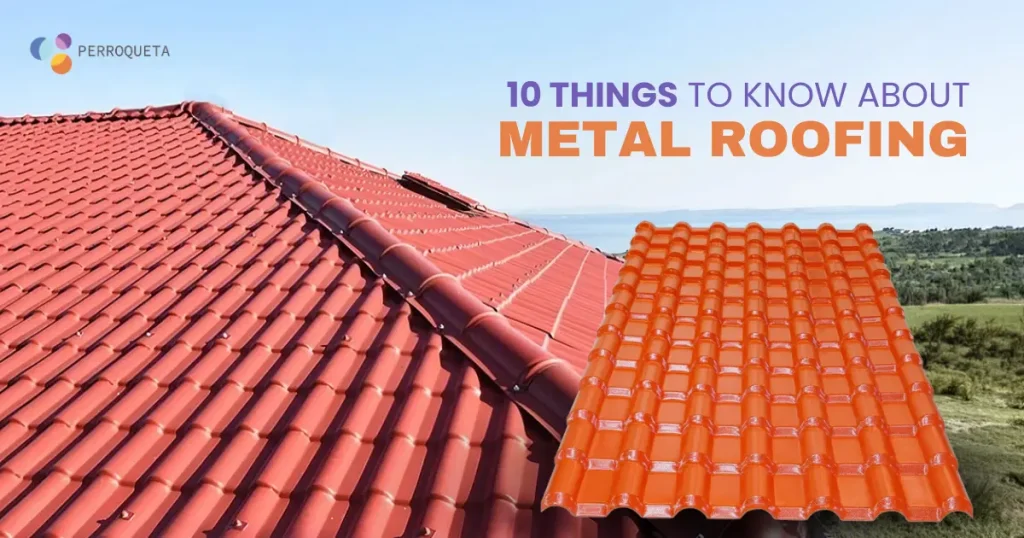
Metal roofing has become one of the most popular modern roofing choices for homes across the world, including India. Known for its strength, longevity, and energy efficiency, metal roofing offers far more than a sleek appearance. Before choosing it for your home, it is important to understand the key facts that make metal roofing a smart and future-ready investment.
This guide explains the 10 most important things every homeowner should know about metal roofing, from its types and history to its durability, safety, energy savings, and return on investment.
There Are Different Types of Metal Roofs
Metal roofing is not a one-size-fits-all solution. It comes in several styles and profiles, each designed for different architectural needs and climate conditions.
The most common types include standing seam metal roofs, metal shingles, corrugated metal sheets, and stone-coated metal roofing. Standing seam roofs are popular for modern homes because of their clean vertical lines and concealed fasteners.
Metal shingles suit traditional house designs and offer the look of tiles or slate with the strength of steel. Corrugated sheets are widely used for farmhouses, warehouses, and industrial buildings due to their affordability and strength.
In India, where weather conditions vary from heavy monsoon rains to extreme summer heat, choosing the right metal roofing profile ensures better protection, comfort, and long-term performance.
Residential Metal Roofing Originated During World War II
Metal roofing for homes has an interesting history. During World War II, traditional building materials like asphalt and wood were reserved for military use. This shortage forced builders to explore alternative materials for residential construction.
Metal, especially steel and aluminium, became a reliable solution because it was strong, lightweight, and easy to manufacture in large quantities. After the war, homeowners realised that metal roofs lasted longer and required less maintenance than conventional roofing.
This wartime innovation laid the foundation for modern residential metal roofing, which continues to evolve with better coatings, designs, and insulation systems.
Stone-Coated Metal Roofing Looks the Same As Traditional Roofing Materials
One of the biggest reasons homeowners hesitate to choose metal roofing is the fear that it may look too industrial. Stone-coated metal roofing solves this problem beautifully.
These roofs are made from steel sheets that are coated with stone granules and sealed with protective layers. From a distance, they look almost identical to clay tiles, slate, or asphalt shingles. The only difference is that underneath the traditional appearance lies the strength of metal.
Stone-coated metal roofing offers the charm of classic roofing styles with the added benefits of lightweight construction, durability, and weather resistance.
Lightweight Metal Roofing Adds Reinforcing Shear Strength
Metal roofing is much lighter than concrete tiles or clay roofing. Despite its lightweight nature, it adds significant strength to your home’s structure.
Because metal roofs are securely fastened to the roof frame, they help reinforce the building against lateral forces caused by strong winds and earthquakes. This added shear strength improves overall structural stability without the need for heavy reinforcement or major modifications.
For homes in seismic zones or cyclone-prone regions, lightweight metal roofing provides both safety and peace of mind.
Metal Roofs Have the Highest Rating for Hail Resistance
Hailstorms can cause serious damage to traditional roofs, especially asphalt shingles and concrete tiles. Cracks, dents, and broken tiles often lead to water leakage and costly repairs.
Metal roofing has the highest impact-resistance rating of any roofing material. Most metal roofs achieve a Class 4 hail rating, which means they can withstand heavy hailstones without cracking or breaking. Even if minor dents occur, the roof continues to protect the home effectively.
This makes metal roofing an excellent choice for regions that experience seasonal storms and extreme weather.
Metal Roofs Can Withstand Hurricane-Force Winds and Tornado
One of the strongest advantages of metal roofing is its ability to withstand extreme wind speeds. High-quality metal roofing systems are tested to resist winds of 150 mph and beyond.
The secret lies in the interlocking panels and secure fastening systems that prevent uplift during storms. Unlike traditional tiles that can be blown away, metal panels remain firmly attached to the structure.
In coastal areas, cyclone zones, and regions prone to heavy storms, metal roofing provides reliable protection against flying debris and wind damage.
Non-Combustible Metal Roofing Has the Highest Rating for Fire Resistance
Fire safety is a major concern for homeowners, especially in dry regions and forest-adjacent areas. Metal roofing is completely non-combustible and carries the highest Class A fire resistance rating.
Unlike wood or asphalt shingles, metal does not ignite, melt, or spread flames. It also prevents embers from entering the roof cavity, which is one of the most common causes of house fires during wildfires.
For homes in hot and dry climates, metal roofing adds an extra layer of protection and safety.
Energy-Efficient Metal Roofing Can Reduce Cooling Costs by Up To 40%
Metal roofing is one of the most energy-efficient roofing options available today. Modern metal roofs are coated with reflective pigments that bounce sunlight away instead of absorbing heat.
This helps keep indoor temperatures lower, reducing the need for air conditioning during hot summers. When combined with proper insulation and ventilation, metal roofing can lower cooling costs by up to 40 percent.
Light-coloured metal roofs are especially effective in tropical climates like India, where heat control is essential for year-round comfort.
Fact vs. Fiction: Common Myths About Metal Roofing
Despite its many benefits, metal roofing is surrounded by several myths.
One common belief is that metal roofs are noisy during rain. In reality, when installed with proper insulation and underlayment, metal roofs are no louder than traditional roofs.
Another myth is that metal roofing attracts lightning. Metal does not increase the risk of lightning strikes. In fact, it safely disperses electrical energy if struck.
Many people also assume metal roofing is too expensive. While the upfront cost may be higher, its long lifespan and low maintenance make it more affordable in the long run.
How to Evaluate the ROI and Cost of a Metal Roof?
When considering metal roofing, it is important to look beyond the initial price and evaluate the long-term return on investment. A metal roof can last 40 to 70 years, while traditional roofing materials often need replacement every 15 to 20 years.
Lower maintenance, fewer repairs, and significant energy savings all contribute to long-term cost benefits. In many cases, homeowners save money over time despite the higher initial installation cost.
A metal roof also increases property value, making it a smart investment for both present comfort and future resale.
Conclusion
Metal roofing has evolved from a wartime innovation into one of the most advanced roofing solutions available today. With its wide range of styles, exceptional strength, fire resistance, energy efficiency, and long lifespan, metal roofing offers a powerful combination of performance and aesthetics.
For homeowners looking for a durable, safe, and sustainable roofing solution, metal roofing stands out as a future-ready choice. By understanding these ten essential facts, you can make an informed decision that protects your home, reduces long-term costs, and enhances comfort for decades to come.
A well-chosen metal roof is not just a roof; it is a long-term investment in your home’s safety, value, and efficiency.